👁️ Brain Illusions
Your eyes vs your brain: which is right?
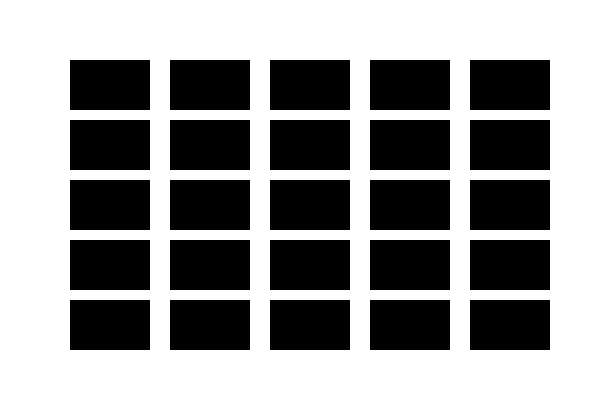
Dots That Are Not There
Are there grey dots drawn where the white streets cross?
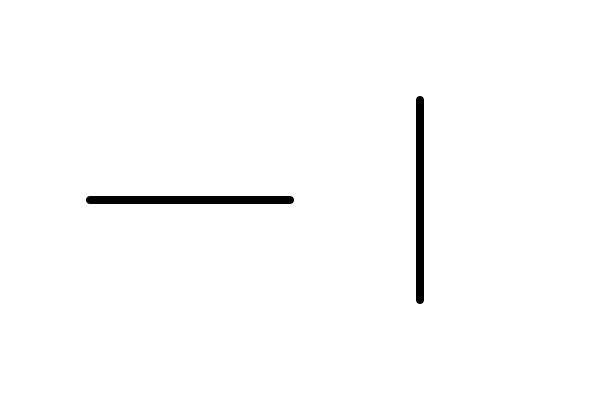
Long Up or Long Across?
Is the horizontal line on the left longer than the vertical line on the right?
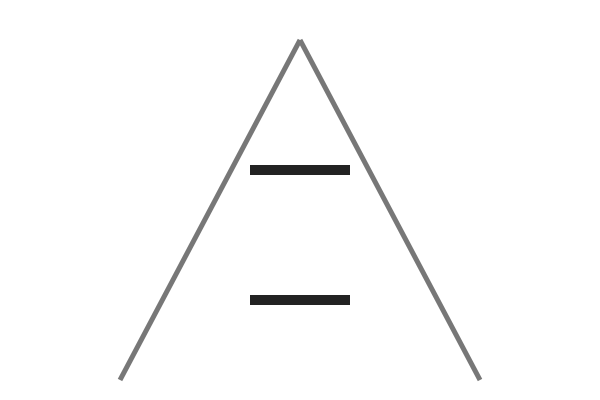
The Railway Bars
Is the upper horizontal bar between the rails longer than the lower one?
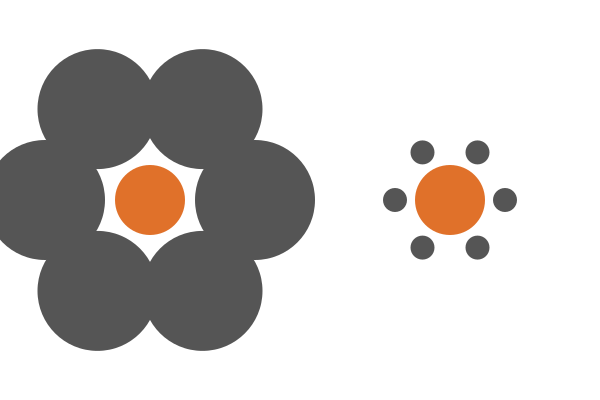
Two Orange Circles
Is the orange circle on the left the same size as the orange circle on the right?
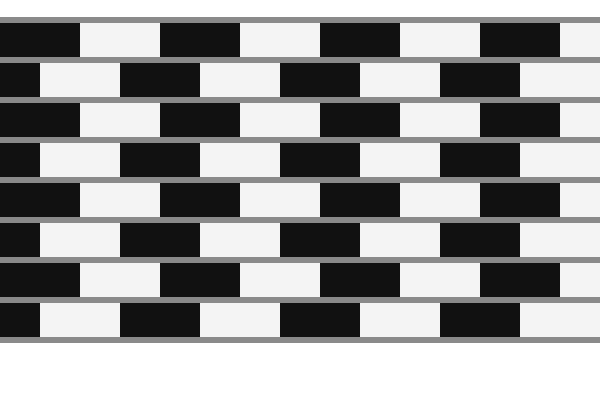
The Tilted Wall
Are the grey lines running across the wall parallel to each other?
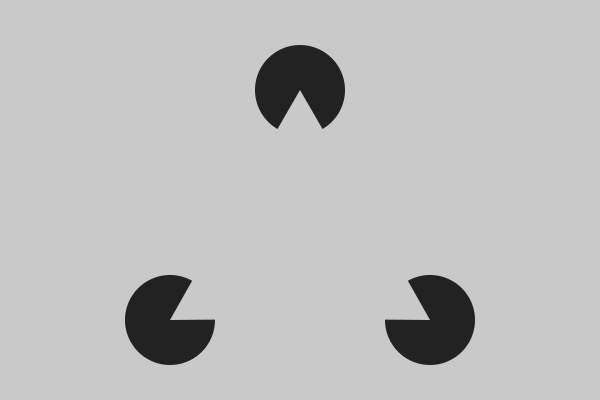
The Invisible Triangle
Is there a complete triangle outline drawn anywhere in this picture?
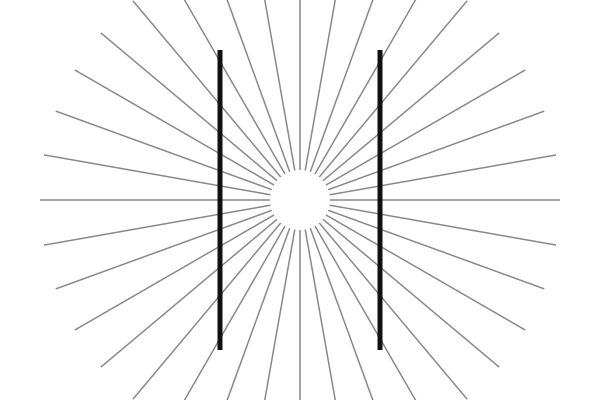
Bowed Lines
Are the two vertical black lines straight and parallel, or do they bow outward in the midd

Stripes That Are Not There
Does the grey panel contain any real dark or light stripes where the shading changes?
Arrows and Lines
Which line is longer?
The Checkered Shadow
Are squares A and B the same shade?
Brain illusion puzzles test whether your eyes and your brain agree. A picture might look like it has two different sizes, a moving pattern or a shape that seems impossible. These puzzles show how the brain fills in gaps and makes guesses about what we see, and they are a fun way to learn about perception.
When you look at an illusion, try a simple check. Measure the lines with a ruler, cover part of the picture or look at it from a different distance. Notice which part of the image grabs your attention first, and ask whether that is really what is there. The explanation often shows how the brain's shortcuts create the effect.
For more visual puzzles, try the visual puzzles or the hidden objects puzzles, which also ask you to see things carefully.
Frequently asked questions
Why do optical illusions fool our brains?
The brain makes quick guesses using context, shading and expected shapes to understand a scene. Illusions exploit these shortcuts, so what we perceive can differ from the actual measurements.
How can I check an illusion?
Use a ruler, trace the lines or cover parts of the image to test what you see. Measuring is often the quickest way to settle an argument about two lines.
Are brain illusions suitable for kids?
Yes, children usually enjoy illusions and can learn a lot from them. Let them predict what they will see, then test the picture together.